A deck box lid blowing open in strong winds is a common issue for homeowners, exposing contents to elements and potential damage. To secure a deck box lid, implement DIY strategies such as adding latches, weighting the lid, anchoring the entire box, or enhancing the lid’s fit with weatherstripping. These methods ensure belongings remain protected and the outdoor space stays tidy, even during blustery weather.
Understanding Your Deck Box and the Wind’s Challenge
A deck box, also known as a patio storage box, serves as an outdoor storage unit designed to keep items protected from sun, rain, and dust. They are crucial for maintaining an organized and functional outdoor living area. However, their lids are often the most vulnerable component to adverse weather.
Why do deck box lids frequently blow open? The primary culprits are wind uplift and the lightweight design of many boxes. Lids can act like small sails, catching gusts that generate upward force, easily flipping them open, especially when the box is empty or not sufficiently weighted. Standard hinges are designed for movement, not for resisting powerful winds, and the absence of a secure latch leaves them exposed. Deck boxes come in various materials, including plastic resin, wood, and metal. Plastic and lighter wood boxes are particularly susceptible to wind due to their inherent lack of weight, while heavier, more robust constructions may offer better natural resistance.
Essential Considerations for Securing Your Deck Box Lid
Before diving into specific DIY fixes, it’s important to evaluate your deck box and its environment. Understanding these factors will help you choose the most effective and durable solution.
Material and Durability
The material of your deck box significantly influences how you approach securing its lid. Plastic resin boxes are lightweight and prone to hinge damage where screws can strip through the material. Wooden deck boxes, while often heavier, can still suffer from loose hinges or wood rot that compromises their structure. Metal boxes generally offer greater stability but might require specific fasteners to avoid corrosion. When working with plastic, solutions like epoxy glues (e.g., JB Weld) or even plastic welding can repair torn screw holes, providing a reinforced base for new attachments. For wood, ensure any new screws bite into solid material, possibly using larger screws or reinforcing plates.
Size and Weight
The overall size and existing weight of your deck box play a crucial role in its wind resistance. Larger lids present a bigger surface area for wind to catch, increasing the uplift force. An empty or sparsely filled deck box is far more vulnerable than one packed with heavy items like gardening soil or bricks. Considering the contents you store and how they distribute weight can be the first step in enhancing stability. A box that is inherently heavy or anchored to the ground will provide a more stable foundation for any lid-securing mechanism.
Existing Damage and Repairs
|
Our Picks for the Best Deck Box in 2026
As an Amazon Associate I earn from qualifying purchases.
|
||
| Num | Product | Action |
|---|---|---|
| 1 | Keter Signature Everwood 50 Gallon Resin Deck Box for Outdoor Storage – Weather‑Resistant Balcony & Patio Box for Cushions, Throw Pillows & Garden Tools, Walnut |

|
| 2 | Keter City Outdoor Plastic Storage Box Garden Furniture 57.8 x 44 x 54.8 cm - Brown |
|
| 3 | Keter City 30 Gallon Resin Outdoor Storage Box and Patio Furniture Side Table for Pool and Garden Accessories, Brown |
|
| 4 | Suncast Outdoor Deck Box - 22 Gallon Java Resin Outdoor Storage Box, Weatherproof Patio Storage Bin Container for Seating & Organizing Cushions, Tools & Towels for Pool, Yard, & Garden |
|
| 5 | EAST OAK Outdoor Storage Box, 31 Gallon Deck Box Indoor and Outdoor Use, Waterproof Resin Storage Bin for Package Delivery, Patio Cushions, Gardening Tools, Lockable, UV Resistant, Grey |
|
| 6 | Outdoor Storage Box, 30 Gallon Resin Waterproof Deck Box, Lockable, Built-in Handle, Outside Storage Container for Patio, Garden and Garage |
|
| 7 | Keter Kentwood 50 Gallon Resin Deck Box for Outdoor Storage – Weather‑Resistant Balcony & Patio Box for Cushions, Throw Pillows & Garden Tools, Dark Grey |
|
| 8 | Keter XXL 230 Gallon Deck Storage Box Outdoor Patio Container ~ White |
|
| 9 | VEVOR Outdoor Storage Box, 150 Gallon Waterproof PE Tarpaulin Deck Box w/Galvanized Frame, All-Weather Protection & Portable, for Camping, Garden, Poolside, and Yard, Black & Green |
|
| 10 | YITAHOME Outdoor Storage Box, 45 Gallon Waterproof Resin Deck Box, Lockable Organizer for Patio, Poolside, Deck, Cushions, Throw Pillows, Garden Tools, Brown |
|
Often, lids start blowing open because existing hinges or latches have failed. It’s crucial to address any damage before implementing new solutions. Look for:
- Stripped screw holes: Common in plastic boxes, these can be repaired with plastic wood filler, epoxy, or by drilling new pilot holes slightly away from the damaged area, reinforcing with a metal plate if possible.
- Loose or rusted hinges: Replace rusted hinges with exterior-grade hardware. For loose hinges, use longer screws that penetrate deeper into the material or add nuts and bolts if the design allows.
- Cracked plastic: Use a strong adhesive specifically designed for outdoor plastics or consider plastic welding for a more permanent repair.
DIY Solutions to Stop Your Deck Box Lid From Blowing Open
Several creative and practical DIY methods can prevent your deck box lid from becoming a casualty of strong winds. These solutions range from simple fasteners to more involved structural enhancements.
Adding Latches and Fasteners
Implementing a latching mechanism is a straightforward and effective way to secure a lid. These solutions actively keep the lid fastened to the box’s base.
- Manual Latches: Simple barrel bolts, hasps and staples (allowing for a padlock), or even heavy-duty hook-and-eye latches can be installed on the front or sides of the deck box. Choose weather-resistant hardware to prevent rust.
- Bungee Cords or Straps: For a quick and easy fix, bungee cords or heavy-duty straps can be wrapped around the deck box to hold the lid down. While effective, this requires manual fastening and unfastening each time you access the box.
- DIY Automatic Latches: More advanced DIYers might consider crafting a custom automatic latch system. This could involve simple gravity-fed bolts that drop into place when the lid closes, or even 3D-printed designs (if you have access to a printer) that automatically engage. The goal is a mechanism that secures the lid without requiring manual intervention every time.
Weighting the Lid
Adding weight directly to the lid increases its resistance to wind uplift. This is a subtle yet effective method, especially for lighter plastic lids.
- Internal Weights: You can discreetly add weight to the inside of the lid. This might involve small sandbags, gravel bags, or even bricks placed in a way that doesn’t interfere with the box’s contents. Secure these weights to the lid using strong adhesive, silicone, or by creating small compartments if the lid structure allows.
- External Weights: For a decorative approach, place heavy items like planters, decorative stones, or a robust outdoor sculpture directly on top of the closed lid. Ensure these items are stable and won’t roll off or cause damage.
- Reinforcing the Lid: Before adding substantial weight, especially to plastic lids, consider reinforcing the lid’s structure from the underside with a sheet of plywood or metal to distribute the weight evenly and prevent bowing or cracking.
Anchoring the Entire Deck Box
If your lid is still prone to opening, securing the entire box to the ground or a fixed structure provides ultimate stability. This prevents the whole unit from shifting or tipping in extreme winds.
- Ground Stakes or Anchors: For deck boxes placed on a grassy area, heavy-duty ground stakes or spiral anchors can be driven into the earth and then secured to the base of the box using ropes, chains, or metal straps.
- Securing to a Deck Railing or Fixed Structure: If your deck box is on a patio or deck, you can secure it to a nearby deck railing, a wall, or other immovable structures using U-bolts, metal brackets, or heavy-duty strapping.
- Heavy Base Materials: For newly constructed or custom deck boxes, consider filling the bottom with a layer of concrete, pavers, or heavy gravel to significantly increase its overall weight and stability.
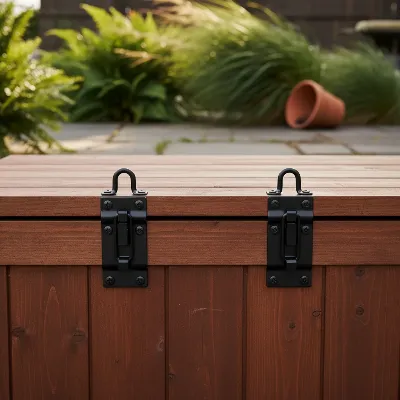 DIY metal latches securing a wooden deck box lid against wind, with a focus on robust hardware
Enhancing Lid Fit and Seal
Sometimes, the problem isn’t just about weight or latches, but the lid’s inherent design or fit. Improving the seal can reduce wind ingress and provide more resistance.
- Weatherstripping: Applying adhesive weatherstripping around the rim of the deck box where the lid rests can create a tighter seal. This not only helps keep the lid secure but also improves waterproofing.
- Adjusting Hinges: If hinges are old or misaligned, replacing them with new, sturdy exterior-grade hinges can ensure the lid closes flush and provides a firmer hold. Ensure they are properly aligned and screwed into solid material.
- Adding a Lip or Overlap: For boxes with flush lids, consider adding a small wooden or plastic lip around the perimeter of the box or the underside of the lid. This overlap creates a barrier that wind struggles to get under, making it harder to lift.
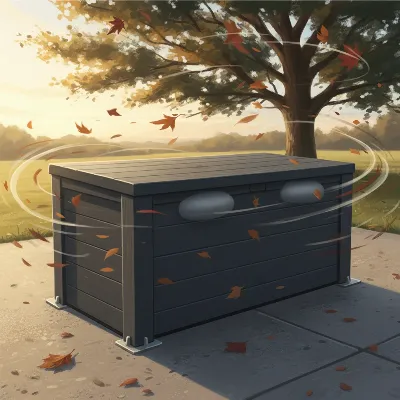 A weighted and anchored plastic deck box on a patio, resisting strong wind
Choosing the Right Solution for Your Deck Box
Selecting the best DIY method involves considering several factors unique to your situation. Evaluate the frequency of access needed for your deck box contents – a permanent anchor might be inconvenient if you open it daily. Consider the aesthetic impact of the solution; some latches or weights might be more noticeable than internal reinforcements. Your budget and DIY skill level will also guide your choices. A simple bungee cord is cheap and easy, while installing custom latches or anchoring systems requires more tools and expertise. Finally, assess your local wind exposure; if you live in a very windy area, combining multiple methods for maximum security is highly recommended. For instance, anchoring the box and adding latches to the lid provides comprehensive protection.
Maintenance Tips for a Secure Deck Box
Once you’ve implemented your chosen DIY solutions, regular maintenance will ensure their longevity and continued effectiveness. Periodically inspect all latches, hinges, and anchoring points for signs of wear, rust, or loosening. Tighten screws, replace worn-out bungee cords, or reapply epoxy as needed. Keeping the contents of your deck box organized and evenly distributed helps maintain its overall stability and prevents undue stress on one side of the lid. Regularly clean your deck box and apply appropriate protective treatments (e.g., wood sealant, UV protectant for plastic) to preserve the material and prevent degradation that could compromise your security measures. Addressing minor issues promptly can prevent more significant problems down the line.
Conclusion
A deck box is a valuable asset for any outdoor living space, but a lid prone to blowing open can quickly turn convenience into chaos. By understanding the forces at play and implementing thoughtful DIY solutions, you can improve your deck box into a resilient storage unit. Whether through robust latches, strategic weighting, or secure anchoring, there’s a solution to fit every need and skill level. Taking these steps not only protects your belongings but also enhances the overall functionality and peace of mind you get from your outdoor sanctuary. What DIY solution will you implement to secure your deck box lid against the next big gust?
Frequently Asked Questions
What causes a deck box lid to blow open?
Deck box lids typically blow open due to wind uplift, especially when the box is lightweight or empty. The design of many lids acts like a sail, catching strong gusts, and standard hinges often lack the resistance to keep them closed against significant wind pressure.
Can I use household items to weigh down my deck box lid?
Yes, you can use household items like small sandbags, gravel bags, or bricks placed inside the lid or on top of the closed lid to add weight. Ensure these items are secured to prevent them from shifting or falling off and causing damage.
How can I repair a plastic deck box hinge with stripped screws?
For stripped screws in a plastic deck box, you can use epoxy putty (like JB Weld) to fill the existing holes and create a new, stronger base for screws. Alternatively, drill new pilot holes slightly offset from the damaged ones and reinforce the area with a small metal plate if possible.
Are there non-permanent ways to secure a deck box lid?
Absolutely. Non-permanent solutions include wrapping bungee cords or heavy-duty straps around the deck box and lid, or simply placing heavy, stable decorative items like planters on top of the closed lid. These methods offer flexibility and easy access.
Is anchoring the deck box necessary in very windy areas?
In very windy areas, anchoring the entire deck box is highly recommended. This prevents the box from shifting or tipping over completely. You can use ground stakes, secure it to a deck railing, or even add heavy base materials for increased stability.
What kind of latches are best for outdoor deck boxes?
For outdoor deck boxes, choose latches made from weather-resistant materials like stainless steel or galvanized steel to prevent rust. Barrel bolts, hasps with staples (for padlocks), or heavy-duty hook-and-eye latches are effective options, depending on your desired level of security and convenience.
Frequently Asked Questions
What causes a deck box lid to blow open?
Deck box lids typically blow open due to wind uplift, especially when the box is lightweight or empty. The lid's design often acts like a sail, catching strong gusts, and standard hinges lack the necessary resistance to keep them closed against significant wind pressure.
Can I use household items to weigh down my deck box lid?
Yes, you can use household items like small sandbags, gravel bags, or bricks to add weight to your deck box lid. Place these items inside the lid or on top of the closed lid, ensuring they are secured to prevent shifting or falling off and causing damage.
How can I repair a plastic deck box hinge with stripped screws?
For stripped screws in a plastic deck box, use epoxy putty (like JB Weld) to fill the existing holes and create a new, stronger base. Alternatively, drill new pilot holes slightly offset from the damaged ones and reinforce the area with a small metal plate if possible.
Are there non-permanent ways to secure a deck box lid?
Absolutely. Non-permanent solutions include wrapping bungee cords or heavy-duty straps around the deck box and lid, or simply placing heavy, stable decorative items like planters on top of the closed lid. These methods offer flexibility and easy access to contents.
Is anchoring the deck box necessary in very windy areas?
In very windy areas, anchoring the entire deck box is highly recommended to prevent it from shifting or tipping over completely. You can use ground stakes, secure it to a deck railing, or even add heavy base materials like concrete or pavers for increased stability.
What kind of latches are best for outdoor deck boxes?
For outdoor deck boxes, choose latches made from weather-resistant materials like stainless steel or galvanized steel to prevent rust. Effective options include barrel bolts, hasps with staples (for padlocks), or heavy-duty hook-and-eye latches, depending on your desired security and convenience.
How to Secure Your Deck Box Lid from Blowing Open
Learn various DIY methods to prevent your deck box lid from opening in strong winds, protecting your outdoor belongings.
Install manual latches such as barrel bolts, hasps, or hook-and-eye latches on the front or sides of the deck box using weather-resistant hardware. For a temporary fix, use bungee cords or heavy-duty straps wrapped around the box to hold the lid down.
Increase the lid's resistance to wind uplift by adding internal weights like small sandbags, gravel bags, or bricks, secured with adhesive or silicone. Alternatively, place heavy external items like planters or decorative stones on top of the closed lid, ensuring they are stable.
For ultimate stability, secure the entire box to the ground or a fixed structure. Use heavy-duty ground stakes for grassy areas, or U-bolts and metal brackets to attach it to a deck railing or wall. Filling the bottom with concrete or pavers also adds significant weight.
Improve the lid's seal and wind resistance by applying adhesive weatherstripping around the rim where the lid rests. Replace old or misaligned hinges with new exterior-grade ones to ensure a flush closure. Consider adding a small wooden or plastic lip around the perimeter to create a barrier against wind.
Get our weekly buyer guide
Practical specs, not advice. Unsubscribe anytime.

I’ve had so much trouble with my deck box lid flying open during storms, and I was tired of finding everything soaked. The idea of adding latches was a game-changer for me. I picked up some simple barrel bolts and now my cushions stay dry no matter how windy it gets. It’s a simple fix that really works.
I tried the weatherstripping idea to improve the lid’s fit on my older deck box. It definitely helped a bit with keeping out some moisture, but the lid still rattles a lot in high winds. I was hoping for a more complete seal. Maybe my box is just too old for a perfect fix.
Anchoring the entire box was something I hadn’t considered, but it makes so much sense! My patio storage box used to slide around a bit in really strong gusts, which was annoying. After securing it to the concrete, it’s rock solid. Everything inside is safe and sound now, even during those crazy summer storms.
The tip about weighting the lid was perfect for my lightweight deck box. I just used some sandbags I already had for other outdoor stuff, and it’s made a huge difference. No more chasing the lid across the yard! It’s such an easy and effective solution for keeping my gardening tools protected.