To safely clean a moldy plastic deck box at home, you need common household items like white vinegar, baking soda, or mild dish soap, along with a soft-bristle brush and protective gear. The process involves emptying the box, pre-rinsing, applying a cleaning solution for 10-15 minutes, scrubbing thoroughly, rinsing completely, and then air-drying to prevent future mold growth. This method effectively restores the box and protects its contents from mold and mildew.
Understanding Mold on Plastic Deck Boxes
Mold is a type of fungus that thrives in damp, warm, and poorly ventilated environments, making outdoor plastic deck boxes a prime target. It often appears as fuzzy, slimy, or powdery spots in various colors like black, green, white, or gray. Mildew, a common form of mold, typically presents as a flatter, powdery growth, initially white or gray, which can later turn black or brown. These fungi feed on organic matter such as dirt, pollen, leaves, and even the residue of stored items.
Plastic, being a non-porous material, is generally resistant to mold penetrating its surface deeply, unlike wood or fabric. However, mold spores can easily cling to the surface grime and residues that accumulate on the plastic. Beyond the unsightly appearance and musty odors, mold exposure can pose health risks. It can trigger allergic reactions, respiratory issues, and skin irritation in sensitive individuals. Therefore, prompt and thorough cleaning is essential not only for aesthetics but also for health and hygiene. For shop curated outdoor storage on this site.
Essential Tools and Safety Precautions
Before you begin the cleaning process, gathering the necessary tools and prioritizing safety will ensure a smooth and effective outcome. Preparing your workspace and personal protective equipment is crucial to prevent exposure to mold spores and cleaning agents.
Safety Gear
When dealing with mold, even on non-porous surfaces like plastic, it’s wise to protect yourself. Gloves are essential to shield your hands from both mold and cleaning solutions. A face mask (such as an N95 respirator) is highly recommended to prevent inhaling airborne mold spores, which can cause respiratory irritation. Eye protection, like safety goggles, will safeguard your eyes from splashes of cleaning solutions or dislodged mold particles.
Cleaning Tools
You’ll need a few basic items to effectively tackle the mold:
- Spray bottle: Ideal for applying liquid cleaning solutions evenly over affected areas.
- Soft-bristle brush or sponge: For scrubbing the plastic surface without causing scratches. An old toothbrush can be useful for reaching into tight corners and crevices.
- Hose or bucket of clean water: For rinsing off loose debris and cleaning solutions.
- Soft cloths or old towels: For wiping down surfaces and ensuring the box is completely dry after cleaning.
- Buckets: Useful for mixing cleaning solutions and holding rinse water.
Workspace Preparation
|
Our Picks for the Best Deck Box in 2026
As an Amazon Associate I earn from qualifying purchases.
|
||
| Num | Product | Action |
|---|---|---|
| 1 | Keter XXL 230 Gallon Deck Storage Box Outdoor Patio Container ~ White |

|
| 2 | Suncast Outdoor Deck Box - 22 Gallon Java Resin Outdoor Storage Box, Weatherproof Patio Storage Bin Container for Seating & Organizing Cushions, Tools & Towels for Pool, Yard, & Garden |
|
| 3 | VEVOR Outdoor Storage Box, 150 Gallon Waterproof PE Tarpaulin Deck Box w/Galvanized Frame, All-Weather Protection & Portable, for Camping, Garden, Poolside, and Yard, Black & Green |
|
| 4 | Keter City 30 Gallon Resin Outdoor Storage Box and Patio Furniture Side Table for Pool and Garden Accessories, Brown |
|
| 5 | YITAHOME Outdoor Storage Box, 45 Gallon Waterproof Resin Deck Box, Lockable Organizer for Patio, Poolside, Deck, Cushions, Throw Pillows, Garden Tools, Brown |
|
| 6 | Keter City Outdoor Plastic Storage Box Garden Furniture 57.8 x 44 x 54.8 cm - Brown |
|
| 7 | Keter Signature Everwood 50 Gallon Resin Deck Box for Outdoor Storage – Weather‑Resistant Balcony & Patio Box for Cushions, Throw Pillows & Garden Tools, Walnut |
|
| 8 | Keter Kentwood 50 Gallon Resin Deck Box for Outdoor Storage – Weather‑Resistant Balcony & Patio Box for Cushions, Throw Pillows & Garden Tools, Dark Grey |
|
| 9 | Outdoor Storage Box, 30 Gallon Resin Waterproof Deck Box, Lockable, Built-in Handle, Outside Storage Container for Patio, Garden and Garage |
|
| 10 | EAST OAK Outdoor Storage Box, 31 Gallon Deck Box Indoor and Outdoor Use, Waterproof Resin Storage Bin for Package Delivery, Patio Cushions, Gardening Tools, Lockable, UV Resistant, Grey |
|
Choose an outdoor area for cleaning, ideally away from direct sunlight (to prevent cleaning solutions from drying too quickly) and sensitive plants that could be affected by runoff. If you’re near vegetation, consider hosing down the plants with clean water beforehand to dilute any accidental overspray. Ensure good ventilation to disperse any fumes from cleaning agents. Empty the deck box completely, removing all contents, and inspect both the items and the box for any damage or additional mold growth.
Safe and Effective Homemade Mold Removal Solutions
Numerous household ingredients can effectively eliminate mold from plastic surfaces. These options are generally safer and more environmentally friendly than harsh chemical cleaners, though caution is still advised.
Vinegar Solution
White vinegar is a highly effective natural disinfectant and mold killer. Its acidic nature breaks down mold and mildew, making it easier to remove. To create a vinegar solution, mix equal parts white vinegar and water in a spray bottle. For tougher mold, some experts suggest using undiluted white vinegar. Spray the solution generously over all mold-affected areas, allowing it to penetrate and work its magic for at least 10 to 15 minutes. For stubborn growth, you can let it sit for up to an hour. Vinegar is particularly safe for plastic and won’t cause damage or discoloration.
Baking Soda Paste
Baking soda is a mild abrasive that excels at removing stains and absorbing odors, making it a valuable addition to your mold cleaning arsenal. To make a cleaning paste, mix baking soda with a small amount of water until it forms a thick consistency. Apply this paste directly to stubborn mold spots or stains on the plastic deck box. Let it sit for a few minutes, then gently scrub with a soft brush or sponge. The gentle abrasive action helps lift the mold and discoloration without scratching the plastic.
Mild Detergent and Water
For lighter mold growth or as a preliminary step, a simple solution of mild dish soap and warm water can be very effective. This solution helps to loosen dirt, grime, and superficial mold. Mix a few drops of mild dish soap into a bucket of warm water until suds form. Dip a soft cloth or sponge into the soapy water and wipe down all interior and exterior surfaces of the deck box. This method is gentle and suitable for regular cleaning to prevent severe mold buildup.
Diluted Bleach Solution
While effective at killing mold, bleach should be used with caution on plastic, as it can potentially cause discoloration or damage, especially on colored plastics. If other methods fail, a diluted bleach solution can be used as a last resort. Always test a small, inconspicuous area first to ensure there are no adverse effects. The recommended ratio is typically one part household bleach to ten parts water. Apply this solution with a spray bottle or a sponge, allowing it to sit for a short period (around 5-10 minutes), then scrub thoroughly. It is absolutely crucial never to mix bleach with ammonia or other cleaners, as this can create toxic fumes. Always wear protective gear when using bleach.
Step-by-Step Guide to Cleaning Your Moldy Deck Box
Cleaning a moldy plastic deck box is a straightforward process that can be completed in a few steps, ensuring all mold is removed and preventing its quick return.
Step 1: Empty and Pre-Rinse
Begin by completely emptying your deck box. Remove all items and set them aside. This is a good opportunity to inspect your stored belongings for any signs of mold transfer and clean them as needed. Once empty, use a garden hose to generously spray the interior and exterior of the deck box. This initial rinse will help dislodge loose dirt, debris, and superficial mold spores, making the scrubbing process easier.
Step 2: Apply Cleaning Solution
Based on the severity of the mold, choose one of the homemade cleaning solutions discussed above (vinegar, baking soda paste, mild soap, or diluted bleach). Apply your chosen solution liberally to all mold-affected areas, both inside and outside the deck box. If using a spray bottle, ensure full coverage. If using a paste, spread it evenly over the stained areas. Allow the solution to dwell for the recommended time (e.g., 10-15 minutes for vinegar, a few minutes for baking soda paste, or up to an hour for heavy mold). This dwell time is crucial for the solution to penetrate and break down the mold effectively.
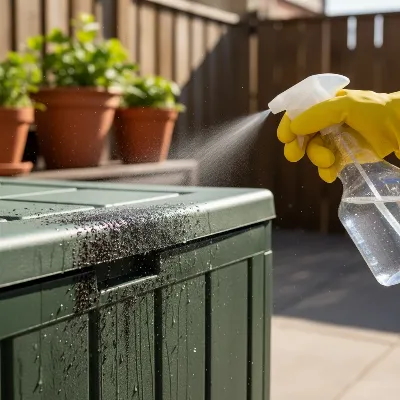 Applying cleaning solution to a moldy plastic deck box with a spray bottle
Step 3: Scrub and Dwell Time
After allowing the cleaning solution to work, take your soft-bristle brush or sponge and begin scrubbing the moldy surfaces. Pay particular attention to corners, crevices, and textured areas where mold often hides. For stubborn spots, an old toothbrush can provide the precision needed for a thorough clean. Scrub gently but firmly until the mold stains begin to lift. If the mold is particularly tenacious, you may need to reapply the cleaning solution and allow for a longer dwell time before scrubbing again. Avoid abrasive pads that could scratch the plastic surface.
Step 4: Rinse Thoroughly
Once you are satisfied that all the mold has been scrubbed away, it’s time to rinse. Use a garden hose with a steady stream of clean water to thoroughly rinse all surfaces of the deck box. Ensure that all traces of the cleaning solution and dislodged mold spores are completely washed away. Rinsing is important because any leftover residue can attract new dirt and potentially lead to new mold growth. Rinse until the water runs clear and no suds remain.
Step 5: Dry Completely
This is a critical step in preventing immediate mold re-growth. Mold thrives in moisture, so ensuring your deck box is completely dry before storing items again is paramount. Use clean, soft cloths or towels to wipe down all interior and exterior surfaces, absorbing as much water as possible. If weather permits, allow the deck box to air-dry completely in the sun. Sunlight can act as a natural disinfectant, further helping to eliminate any remaining mold spores. Prop the lid open to ensure air circulation and faster drying inside.
Preventing Future Mold Growth
After successfully cleaning your plastic deck box, implementing preventative measures is key to keeping it mold-free in the long term. Simple habits and strategic choices can significantly reduce the likelihood of mold returning.
Proper Ventilation
Mold thrives in stagnant, humid air. Enhancing ventilation around and within your deck box is crucial. Avoid placing your deck box directly against walls or in cramped spaces where air cannot circulate freely. If your deck box has vents, ensure they are not blocked. Occasionally propping the lid open on dry, sunny days for a few hours can help air out the interior and reduce moisture buildup.
Regular Cleaning and Maintenance
Consistency is vital. Incorporate your deck box into your regular outdoor cleaning routine. A quick wipe-down with mild soapy water every few weeks, or at least seasonally, can prevent dirt, pollen, and other organic debris from accumulating and providing a food source for mold. Early detection and removal of minor mold spots are far easier than tackling a full-blown infestation.
Desiccants and Moisture Absorbers
To combat internal humidity, consider placing moisture-absorbing products inside your deck box. Items like baking soda boxes, silica gel packets, or commercial desiccant packs can draw excess moisture out of the air. Replace these regularly, especially after periods of high humidity or rain. These are particularly useful if you store items that are susceptible to moisture.
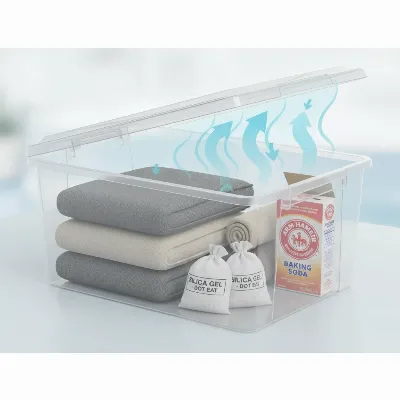 Moisture absorbers and good airflow preventing mold in a plastic deck box
Storage Practices
How you store items inside the box also impacts mold prevention. Ensure that all items are completely dry before placing them into the deck box. Storing damp cushions, towels, or gardening tools can introduce moisture and create a prime environment for mold growth. Consider using plastic liners or waterproof bags for particularly sensitive items. Avoid storing food or perishable items, as these will attract not only mold but also pests. If possible, avoid placing the deck box directly on the ground; instead, use risers or a small pallet to promote airflow underneath.
When to Call a Professional
While most minor to moderate mold issues on plastic deck boxes can be managed with home cleaning methods, there are specific situations where professional intervention might be necessary.
If you encounter severe mold infestations that cover a significant portion of the deck box, or if the mold appears to be deeply ingrained and resistant to your cleaning efforts, a professional mold remediation service might be warranted. They have specialized equipment and stronger, safer chemicals to handle extensive growth.
If anyone in your household experiences persistent health concerns that you suspect are linked to mold exposure from the deck box, such as chronic respiratory issues or allergic reactions, it’s best to consult with a professional. They can accurately assess the extent of the mold problem and ensure a complete and safe removal that minimizes health risks. While DIY is often effective, knowing when to seek expert help ensures both your belongings and your health are fully protected.
Conclusion
Keeping your plastic deck box clean and free from mold is an essential aspect of outdoor home maintenance. By understanding what causes mold, equipping yourself with simple household cleaning agents like vinegar and baking soda, and following a methodical cleaning process, you can safely and effectively remove unsightly and potentially harmful mold. The key to long-term success lies not just in cleaning but also in consistent preventative measures, such as ensuring proper ventilation, thoroughly drying stored items, and using moisture absorbers. A well-maintained, mold-free deck box not only looks better but also reliably protects your outdoor essentials for years to come. What proactive steps will you take this season to ensure your plastic deck box stays pristine?
Frequently Asked Questions
What causes mold to grow on a plastic deck box?
Mold grows on plastic deck boxes due to a combination of humidity, trapped moisture, and organic debris like dirt, pollen, and leaves. These conditions create an ideal environment for mold spores to thrive, especially in poorly ventilated areas.
What are the best homemade solutions for cleaning mold from plastic?
Effective homemade solutions include a 50/50 mix of white vinegar and water, a baking soda paste (baking soda with a small amount of water), or mild dish soap mixed with warm water. For stubborn mold, a diluted bleach solution (1 part bleach to 10 parts water) can be used cautiously.
How long should cleaning solutions sit on the mold before scrubbing?
For vinegar solutions, allow 10 to 15 minutes, or up to an hour for heavy mold. Baking soda paste needs only a few minutes to sit. Diluted bleach solutions should sit for a short period, typically 5-10 minutes, before scrubbing.
What safety gear is recommended when cleaning mold?
When cleaning mold, it is recommended to wear gloves to protect your hands, a face mask (such as an N95 respirator) to prevent inhaling spores, and eye protection like safety goggles to shield against splashes.
How can I prevent mold from returning to my plastic deck box?
Prevent mold by ensuring proper ventilation, performing regular cleaning every few weeks, using moisture absorbers like silica gel packets inside the box, and storing only completely dry items. Avoid placing the box directly on the ground.
Clean a Moldy Plastic Deck Box
Follow these steps to safely and effectively remove mold from your plastic deck box using common household items and prevent its return.
Completely empty all contents from your deck box and inspect them for mold. Use a garden hose to thoroughly spray the interior and exterior of the box, dislodging loose dirt and superficial mold spores.
Select a homemade cleaning solution such as equal parts white vinegar and water, a baking soda paste, or mild dish soap. Apply it liberally to all mold-affected areas, ensuring full coverage. Allow the solution to dwell for 10-15 minutes, or longer for severe mold.
Using a soft-bristle brush or sponge, gently but firmly scrub the moldy surfaces. Pay close attention to corners and crevices. Reapply solution and allow more dwell time if mold is particularly stubborn, avoiding abrasive pads that could scratch the plastic.
Once all mold has been scrubbed away, use a garden hose to rinse all surfaces of the deck box with a steady stream of clean water. Ensure all traces of the cleaning solution and dislodged mold spores are completely washed away until the water runs clear.
Wipe down all interior and exterior surfaces with clean, soft cloths or towels to absorb as much water as possible. Allow the deck box to air-dry completely in the sun, propping the lid open to ensure good air circulation and prevent immediate mold re-growth.
Get our weekly buyer guide
Practical specs, not advice. Unsubscribe anytime.

Good advice here! I followed the steps for pre-rinsing and then applying a cleaning solution for 10-15 minutes, and it really helped loosen up the grime. I used baking soda and dish soap, which worked well on the black spots. I wish I had known about air-drying it completely sooner, as that’s probably why I kept getting mold back.
The instructions were clear, but I found that even with a good scrub, some of the really stubborn mildew spots didn’t completely disappear. I think my box might have been too far gone. It’s definitely cleaner than before, but not perfectly spotless. Maybe a stronger solution would have helped.
This was exactly what I needed! My deck box was covered in green fuzzy mold, and I had no idea how to tackle it safely. The reminder to wear protective gear was important, and the step-by-step guide made the whole process feel manageable. My cushions are safe from mold now!
I was dreading cleaning my deck box after it got really moldy over the winter. The tip about using white vinegar and a soft-bristle brush was a game-changer. It worked so much better than just hosing it down like I used to. My box looks almost new again, and it was surprisingly easy to do.