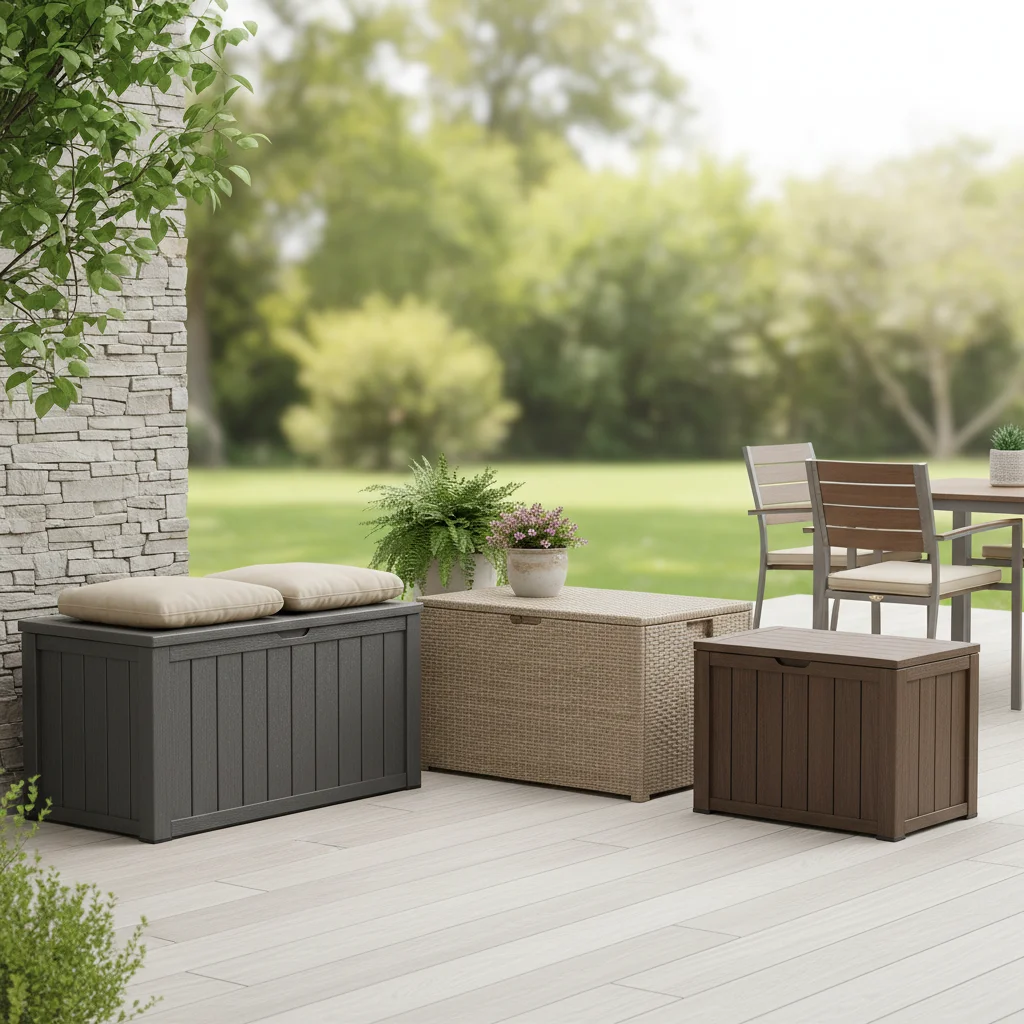
Optimal deck box placement is crucial for maximizing its utility and longevity. The best location for your outdoor storage unit depends on several factors, including sun exposure, proximity to frequently used items, and overall aesthetic integration with your outdoor living space. There are typically five key considerations to ensure your deck box serves its purpose effectively and remains in excellent condition for years to come.
Understanding Sun Exposure and Material Longevity
The amount of direct sunlight your deck box receives can significantly impact its material over time. For resin or plastic deck boxes, prolonged exposure to intense UV rays can lead to fading, brittleness, and cracking. Wooden deck boxes, while more resistant to UV degradation, can still suffer from warping or drying out if constantly baked in the sun without proper treatment. Consider placing your deck box in a shaded area, perhaps under a pergola, awning, or large tree, especially if you live in a region with strong sun. This not only protects the box itself but also helps keep its contents cooler, which is beneficial for items like cushions or pool chemicals.
Proximity to Usage and Convenience
Think about what you’ll be storing in your deck box and how often you’ll need to access it. If it’s for pool toys and towels, placing it near the pool or hot tub makes the most sense. For patio cushions and throws, a spot adjacent to your outdoor seating area is ideal. Storing gardening tools? Keep it close to your garden beds. The goal is to minimize steps and effort, making it easy to retrieve and put away items. A well-placed deck box enhances the functionality of your outdoor space rather than becoming an inconvenient obstacle.
Considering Drainage and Ground Stability
|
Our Picks for the Best Deck Box in 2026
As an Amazon Associate I earn from qualifying purchases.
|
||
| Num | Product | Action |
|---|---|---|
| 1 | Keter XXL 230 Gallon Deck Storage Box Outdoor Patio Container ~ White |

|
| 2 | YITAHOME Outdoor Storage Box, 45 Gallon Waterproof Resin Deck Box, Lockable Organizer for Patio, Poolside, Deck, Cushions, Throw Pillows, Garden Tools, Brown |
|
| 3 | Keter City Outdoor Plastic Storage Box Garden Furniture 57.8 x 44 x 54.8 cm - Brown |
|
| 4 | Keter Kentwood 50 Gallon Resin Deck Box for Outdoor Storage – Weather‑Resistant Balcony & Patio Box for Cushions, Throw Pillows & Garden Tools, Dark Grey |
|
| 5 | VEVOR Outdoor Storage Box, 150 Gallon Waterproof PE Tarpaulin Deck Box w/Galvanized Frame, All-Weather Protection & Portable, for Camping, Garden, Poolside, and Yard, Black & Green |
|
| 6 | EAST OAK Outdoor Storage Box, 31 Gallon Deck Box Indoor and Outdoor Use, Waterproof Resin Storage Bin for Package Delivery, Patio Cushions, Gardening Tools, Lockable, UV Resistant, Grey |
|
| 7 | Suncast Outdoor Deck Box - 22 Gallon Java Resin Outdoor Storage Box, Weatherproof Patio Storage Bin Container for Seating & Organizing Cushions, Tools & Towels for Pool, Yard, & Garden |
|
| 8 | Keter City 30 Gallon Resin Outdoor Storage Box and Patio Furniture Side Table for Pool and Garden Accessories, Brown |
|
| 9 | Outdoor Storage Box, 30 Gallon Resin Waterproof Deck Box, Lockable, Built-in Handle, Outside Storage Container for Patio, Garden and Garage |
|
| 10 | Keter Signature Everwood 50 Gallon Resin Deck Box for Outdoor Storage – Weather‑Resistant Balcony & Patio Box for Cushions, Throw Pillows & Garden Tools, Walnut |
|
The ground beneath your deck box is just as important as its overhead protection. Avoid placing your deck box directly on uneven or soft ground where water can collect. This can lead to moisture seeping into the box, promoting mold and mildew growth, and potentially damaging the box’s base. A stable, level surface like a patio slab, concrete pad, or even a gravel bed with good drainage is preferable. If placing on grass, consider using pavers or a small platform to elevate the box slightly, preventing direct contact with damp soil and improving air circulation underneath.
Aesthetic Integration and Flow
Your deck box doesn’t have to be purely utilitarian; it can also contribute to the overall look and feel of your outdoor area. Choose a location that complements your existing furniture and landscaping. A large deck box might serve as a makeshift side table or extra seating if placed strategically. Consider how its color and style blend with its surroundings. Sometimes, tucking it against a wall or fence can make it less obtrusive, while other times, it might be a focal point. Think about the visual lines and pathways in your yard or patio to ensure the deck box enhances, rather than detracts from, the space.
Security and Accessibility for Maintenance
While not always the primary concern, security can play a role in placement. If you’re storing valuable items, consider placing the deck box in a more visible area or closer to your home for added deterrence. Accessibility for maintenance is also key. You’ll need to clean your deck box periodically, so ensure there’s enough room around it to open the lid fully and wipe down all sides. Avoid cramming it into a tight corner where cleaning becomes a chore.
- Near the pool: For floats, towels, and pool chemicals.
- Adjacent to seating: Ideal for cushions, throws, and outdoor games.
- Close to garden: Perfect for gardening tools and small bags of soil.
- Under an awning: Provides shade and protection from rain.
- Against a wall or fence: Offers a neat, tucked-away appearance.
Get our weekly buyer guide
Practical specs, not advice. Unsubscribe anytime.
