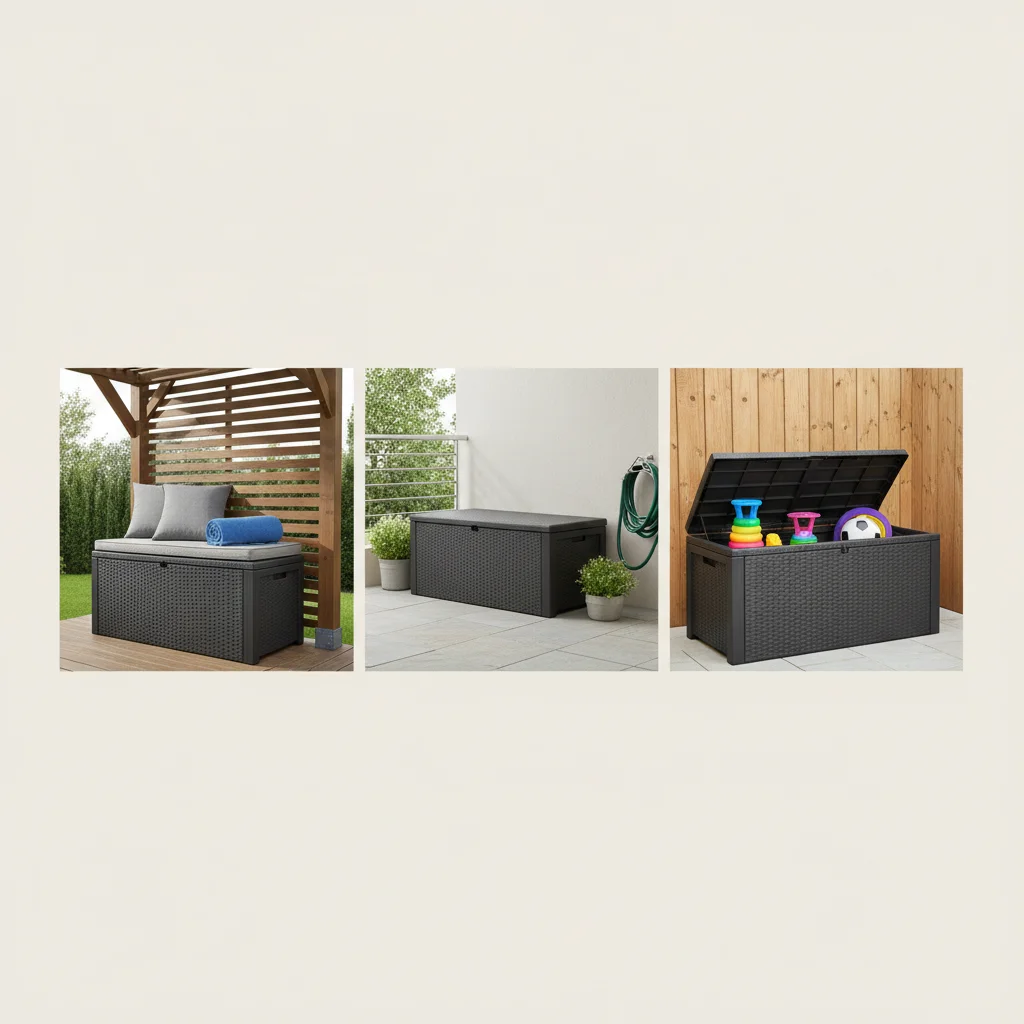
Finding the optimal deck box placement is crucial for both convenience and the longevity of your outdoor storage solution. The best spots typically involve a balance of accessibility, protection from elements, and aesthetic integration into your outdoor living space. There are five key considerations to ensure your deck box serves its purpose effectively for years to come.
Considering Sun Exposure and Shade
The amount of sun your deck box receives can significantly impact its material and the items stored inside. For plastic or resin deck boxes, prolonged direct sunlight can lead to fading and material degradation over time. Wooden deck boxes, while more resilient to UV, can still benefit from some shade to prevent excessive drying and cracking. Conversely, a completely shaded area might increase the risk of mold and mildew, especially in humid climates. Aim for a spot that gets partial shade during the hottest parts of the day, or consider placing it under an awning or a large tree.
Proximity to Usage Area
The primary function of a deck box is convenient storage. Therefore, its placement should reflect what you intend to store. If it’s for pool toys and towels, placing it near the pool or a gate leading to the pool area makes the most sense. For patio cushions and entertaining essentials, a spot close to your seating arrangement on the patio or deck is ideal. Avoid placing it in an area that requires a long walk or navigating obstacles, as this diminishes its utility. Think about the flow of your outdoor activities and position the box accordingly.
Protection from Elements and Drainage
|
Our Picks for the Best Deck Box in 2026
As an Amazon Associate I earn from qualifying purchases.
|
||
| Num | Product | Action |
|---|---|---|
| 1 | Suncast Outdoor Deck Box - 22 Gallon Java Resin Outdoor Storage Box, Weatherproof Patio Storage Bin Container for Seating & Organizing Cushions, Tools & Towels for Pool, Yard, & Garden |

|
| 2 | EAST OAK Outdoor Storage Box, 31 Gallon Deck Box Indoor and Outdoor Use, Waterproof Resin Storage Bin for Package Delivery, Patio Cushions, Gardening Tools, Lockable, UV Resistant, Grey |
|
| 3 | VEVOR Outdoor Storage Box, 150 Gallon Waterproof PE Tarpaulin Deck Box w/Galvanized Frame, All-Weather Protection & Portable, for Camping, Garden, Poolside, and Yard, Black & Green |
|
| 4 | Keter Kentwood 50 Gallon Resin Deck Box for Outdoor Storage – Weather‑Resistant Balcony & Patio Box for Cushions, Throw Pillows & Garden Tools, Dark Grey |
|
| 5 | Keter City 30 Gallon Resin Outdoor Storage Box and Patio Furniture Side Table for Pool and Garden Accessories, Brown |
|
| 6 | Keter XXL 230 Gallon Deck Storage Box Outdoor Patio Container ~ White |
|
| 7 | Keter Signature Everwood 50 Gallon Resin Deck Box for Outdoor Storage – Weather‑Resistant Balcony & Patio Box for Cushions, Throw Pillows & Garden Tools, Walnut |
|
| 8 | YITAHOME Outdoor Storage Box, 45 Gallon Waterproof Resin Deck Box, Lockable Organizer for Patio, Poolside, Deck, Cushions, Throw Pillows, Garden Tools, Brown |
|
| 9 | Outdoor Storage Box, 30 Gallon Resin Waterproof Deck Box, Lockable, Built-in Handle, Outside Storage Container for Patio, Garden and Garage |
|
| 10 | Keter City Outdoor Plastic Storage Box Garden Furniture 57.8 x 44 x 54.8 cm - Brown |
|
While many deck boxes are designed to be weather-resistant, strategic placement can offer additional protection. Avoid low-lying areas where water might collect after heavy rain, as even the most waterproof boxes can be compromised by standing water. Placing the box on a slightly elevated surface, such as pavers or a deck, can improve drainage and prevent moisture from wicking up into the base. Consider prevailing winds; positioning the box with its back to the wind can help prevent the lid from being caught and damaged during storms.
Aesthetic Integration and Accessibility
A deck box, while functional, is also a part of your outdoor decor. Consider how its size, color, and material complement your existing patio furniture and landscaping. Placing it against a wall, under a window, or at the end of a seating arrangement can help it blend in seamlessly. Ensure there’s enough clearance around the box to open the lid fully without obstruction. This is especially important for larger boxes or those with gas-strut lids that require a wider arc. Don’t forget to leave room for easy access to the contents.
Security and Stability Considerations
For valuable items or in areas prone to strong winds, security and stability are paramount. If your deck box is lightweight, consider placing it in a sheltered spot or adding weights inside to prevent it from being blown over. Some deck boxes come with features for securing them to a deck or patio. If you’re storing items that require extra security, ensure the box is placed in a visible area or near a security light. Always check that the surface it rests on is level and stable to prevent tipping.
- Place near high-traffic areas for frequently accessed items.
- Utilize shaded spots to protect materials from UV damage.
- Ensure adequate drainage to prevent water accumulation.
- Integrate with existing decor for a cohesive look.
- Confirm stable, level ground for safety and longevity.
Get our weekly buyer guide
Practical specs, not advice. Unsubscribe anytime.
