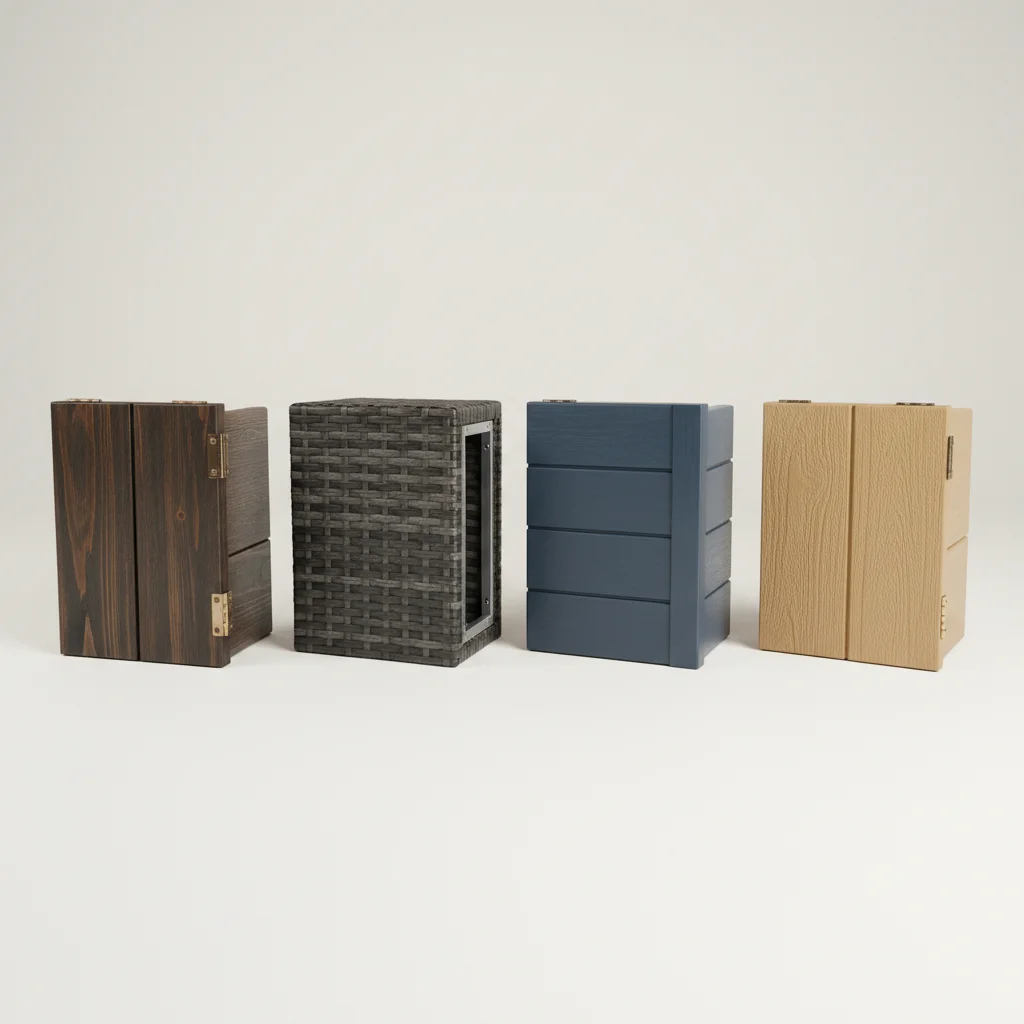
When choosing a deck box, the material it’s made from is crucial for its longevity, especially in harsh climates. Generally, high-density polyethylene (HDPE) resin offers the longest lifespan, often exceeding 10 years, due to its superior resistance to UV, moisture, and extreme temperatures compared to wood or other plastics.
Understanding Material Durability Factors
The durability of a deck box material is influenced by several factors, including its inherent resistance to environmental stressors. UV radiation can degrade plastics, causing them to become brittle and discolored. Moisture leads to rot in wood and can promote mold and mildew growth on all surfaces if not properly managed. Extreme temperatures, both hot and cold, can cause materials to expand and contract, leading to cracks and structural fatigue over time.
Resin Deck Boxes: HDPE vs. Polypropylene
Resin deck boxes are popular for their low maintenance and weather resistance. High-density polyethylene (HDPE) is a premium plastic known for its exceptional strength, rigidity, and resistance to impact, chemicals, and UV radiation. It’s often found in higher-end deck boxes designed for long-term outdoor use. Polypropylene, while also a common plastic, is generally less durable than HDPE. It can become brittle in cold temperatures and is more susceptible to UV degradation over time, making it a less ideal choice for truly harsh climates.
Wood Deck Boxes: Teak, Cedar, and Acacia
|
Our Picks for the Best Deck Box in 2026
As an Amazon Associate I earn from qualifying purchases.
|
||
| Num | Product | Action |
|---|---|---|
| 1 | EAST OAK Outdoor Storage Box, 31 Gallon Deck Box Indoor and Outdoor Use, Waterproof Resin Storage Bin for Package Delivery, Patio Cushions, Gardening Tools, Lockable, UV Resistant, Grey |

|
| 2 | Suncast Outdoor Deck Box - 22 Gallon Java Resin Outdoor Storage Box, Weatherproof Patio Storage Bin Container for Seating & Organizing Cushions, Tools & Towels for Pool, Yard, & Garden |
|
| 3 | Keter Kentwood 50 Gallon Resin Deck Box for Outdoor Storage – Weather‑Resistant Balcony & Patio Box for Cushions, Throw Pillows & Garden Tools, Dark Grey |
|
| 4 | YITAHOME Outdoor Storage Box, 45 Gallon Waterproof Resin Deck Box, Lockable Organizer for Patio, Poolside, Deck, Cushions, Throw Pillows, Garden Tools, Brown |
|
| 5 | Keter XXL 230 Gallon Deck Storage Box Outdoor Patio Container ~ White |
|
| 6 | Keter City 30 Gallon Resin Outdoor Storage Box and Patio Furniture Side Table for Pool and Garden Accessories, Brown |
|
| 7 | VEVOR Outdoor Storage Box, 150 Gallon Waterproof PE Tarpaulin Deck Box w/Galvanized Frame, All-Weather Protection & Portable, for Camping, Garden, Poolside, and Yard, Black & Green |
|
| 8 | Keter City Outdoor Plastic Storage Box Garden Furniture 57.8 x 44 x 54.8 cm - Brown |
|
| 9 | Outdoor Storage Box, 30 Gallon Resin Waterproof Deck Box, Lockable, Built-in Handle, Outside Storage Container for Patio, Garden and Garage |
|
| 10 | Keter Signature Everwood 50 Gallon Resin Deck Box for Outdoor Storage – Weather‑Resistant Balcony & Patio Box for Cushions, Throw Pillows & Garden Tools, Walnut |
|
Wooden deck boxes offer a classic aesthetic but require more maintenance to last. Teak is renowned for its natural oils, which provide excellent resistance to rot, insects, and moisture, making it a top choice for marine applications and durable outdoor furniture. Cedar also possesses natural oils that deter pests and resist decay, though it’s softer than teak. Acacia, while beautiful, is less naturally resistant to the elements and typically requires more frequent sealing and treatment to prevent weathering and rot. Without proper care, even the most durable woods will succumb to the elements.
Metal Deck Boxes: Steel and Aluminum Considerations
Metal deck boxes, typically made from steel or aluminum, offer robust construction. Steel, especially powder-coated galvanized steel, provides significant strength and resistance to rust, but can be heavy and prone to dents if impacted. Aluminum is lighter and naturally corrosion-resistant, making it a good option for coastal areas where salt air is a concern. However, aluminum can be more expensive and may not offer the same impact resistance as steel. Both metals can become very hot in direct sunlight, which might be a consideration for storing certain items.
Key Features for Longevity in Harsh Climates
- UV Inhibitors: Essential for plastic and resin boxes to prevent degradation from sun exposure.
- Waterproof Seals: Crucial for keeping contents dry, regardless of material.
- Reinforced Lids: Prevents warping and ensures a tight seal over time.
- Elevated Base: Lifts the box off the ground, preventing moisture wicking and improving airflow.
- Rust-Resistant Hardware: Important for all materials, especially for hinges and latches.
Ultimately, the best material for a deck box in harsh climates depends on a balance of durability, maintenance, and budget. HDPE resin offers the most hassle-free, long-lasting solution, while well-maintained teak wood can also provide many years of service. Consider the specific challenges of your local climate—be it intense sun, heavy rain, or extreme temperatures—when making your selection.
Get our weekly buyer guide
Practical specs, not advice. Unsubscribe anytime.
